 FotonMedix












notizie
Notizie sull'azienda丨Notizie sul settore丨Notizie sui prodotti
Ricerca nell'intera stazione
Notizie sull'azienda丨Notizie sul settore丨Notizie sui prodotti
Il panorama della medicina sportiva e della riabilitazione veterinaria ha subito un cambiamento sismico con l'integrazione della tecnologia laser ad alta potenza. L'osteoartrite (OA) nei canini, una malattia articolare progressiva e degenerativa, rimane una delle condizioni più difficili da gestire in modo efficace per i medici, senza affidarsi esclusivamente a farmaci antinfiammatori non steroidei (FANS) a lungo termine. La laserterapia di classe IV, spesso classificata sotto il più ampio ombrello scientifico della fotobiomodulazione (PBM), è emersa come una modalità primaria non invasiva che affronta sia il dolore sintomatico che l'ambiente infiammatorio sottostante dell'articolazione.
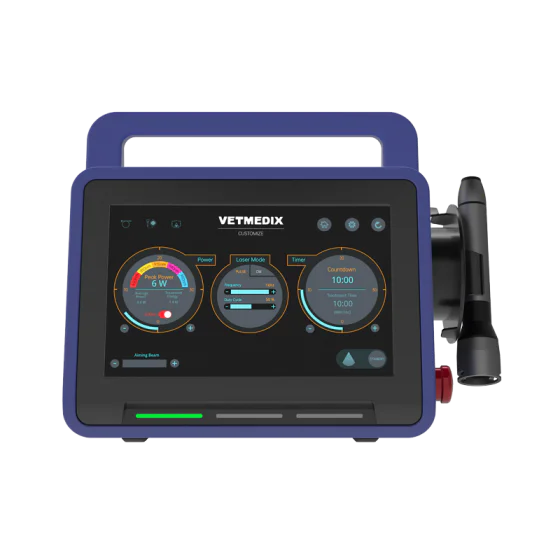
Per comprendere la necessità di laserterapia di classe 4, È necessario guardare oltre l'applicazione superficiale della luce e alle interazioni sub-cellulari all'interno dei condrociti e dei sinoviociti. A differenza dei laser a bassa potenza, laserterapia di classe iv fornisce la densità di fotoni necessaria per raggiungere strutture profonde come l'anca canina e la parte inferiore della colonna vertebrale lombare, dove spesso risiede la patologia dell'artrite.
Un'idea sbagliata comune in pratica clinica è che l'efficacia di una Classe Il laser IV deriva da effetti termici. Sebbene un lieve calore rilassante sia spesso un sottoprodotto, il vero valore terapeutico risiede nella risposta fotochimica. Quando i fotoni nello spettro del vicino infrarosso (tipicamente da 810 a 980 nm) penetrano nella pelle, vengono assorbiti dai cromofori all'interno dei mitocondri, in particolare dalla citocromo c ossidasi (CcO).
Questo assorbimento innesca una cascata di eventi:
Per un cane geriatrico affetto da Terapia laser per l'artrite dei cani, Questo si traduce in una riduzione dello stress ossidativo all'interno della capsula articolare e in un'accelerazione dei processi rigenerativi naturali dell'organismo.
Il successo clinico di laser per l'artrite dei cani dipende fortemente dalla “finestra terapeutica”. Questa finestra è compresa tra 600 nm e 1100 nm. Tuttavia, non tutte le lunghezze d'onda sono uguali per la penetrazione in profondità dei tessuti.
Utilizzando un approccio a più lunghezze d'onda, il medico può affrontare la natura multiforme dell'OA canina: l'affaticamento cellulare, l'ischemia localizzata e la sensibilizzazione al dolore cronico.
Il dosaggio nella PBM non è un'operazione “unica”. Segue la legge di Arndt-Schulz, secondo la quale basse dosi stimolano, mentre dosi troppo elevate possono inibire o addirittura essere tossiche per i tessuti. Per l'artrite canina, la letteratura veterinaria suggerisce un intervallo di dosaggio compreso tra 8 e 12 Joule per centimetro quadrato (J/cm²) per le articolazioni profonde.
Bisogna tenere conto del “fattore pelliccia”. I mantelli più scuri e la pelliccia più spessa assorbono più luce in superficie, il che può portare a un riscaldamento superficiale prima che la dose desiderata raggiunga l'articolazione. I medici devono utilizzare, quando possibile, una tecnica di “contatto”, separando il pelo e applicando una pressione per scottare la pelle, che riduce l'interferenza del flusso sanguigno superficiale e consente una penetrazione più profonda.
Una fase di induzione standard per un cane con OA cronica prevede in genere:
Per illustrare l'applicazione pratica di questi principi, esaminiamo un caso specifico gestito in un centro di riabilitazione veterinario specializzato.
All'esame fisico, il paziente ha mostrato una significativa atrofia muscolare nei quadricipiti e nei tendini del ginocchio. La palpazione ha rivelato un versamento articolare, un ispessimento della capsula articolare (contrafforte mediale) e una risposta dolorosa all'estensione della coscia. Le radiografie hanno confermato un'OA di grado IV con una significativa formazione di osteofiti e un restringimento dello spazio articolare.
Si è deciso di implementare un protocollo laser di classe IV ad alta intensità per affrontare l'infiammazione cronica e il dolore neuropatico.
| Parametro | Impostazione/Valore |
| Lunghezze d'onda utilizzate | Doppio 810nm e 980nm |
| Potenza in uscita | 12 Watt (miscela continua e pulsata) |
| Energia totale per giunto | 3.000 Joule |
| Dose target (fluenza) | 10 J/cm² |
| Area di trattamento | 300 cm² (che copre l'articolazione e la muscolatura circostante) |
| Frequenza | 20Hz (per il dolore) e 5000Hz (per l'infiammazione) |
Fase iniziale (trattamenti 1-3):
Il paziente ha mostrato un “effetto rimbalzo” dopo la prima seduta: un temporaneo aumento dell'attività seguito da un leggero indolenzimento. Alla terza seduta, il proprietario ha notato che il cane si alzava più facilmente al mattino.
Fase di consolidamento (trattamenti 4-9):
A questo punto, la frequenza è stata ridotta a due volte alla settimana. Il medico ha osservato una riduzione del versamento articolare. Il cane ha iniziato a sostenere il peso in modo più uniforme su entrambi gli arti posteriori. Il dosaggio dei FANS è stato ridotto di 50% sotto controllo veterinario.
Fase di mantenimento (6a settimana e oltre):
Il cane ha raggiunto uno stato di “mantenimento”, con sedute ogni tre settimane. La massa muscolare dei quarti posteriori ha iniziato a migliorare man mano che il cane diventava più attivo, creando un ciclo di feedback positivo di movimento e rafforzamento.
L'integrazione di laserterapia di classe iv ha permesso di ridurre in modo significativo la dipendenza farmacologica, migliorando contemporaneamente i punteggi della qualità di vita del paziente. Il paziente è rimasto mobile e a suo agio per altri 18 mesi, superando di gran lunga le aspettative iniziali del proprietario per un cane della sua età e condizione.
Sebbene i laser di classe IV siano incredibilmente efficaci, si tratta di dispositivi ad alta potenza che richiedono un rigoroso rispetto della sicurezza.
Il paradigma del trattamento laser per l'artrite dei cani sta passando da “reattiva” a “proattiva”. Stiamo assistendo a un aumento dei medici che utilizzano il PBM non solo come ultima risorsa, ma come terapia di prima linea insieme alla gestione del peso e all'esercizio terapeutico. La capacità del laser di modulare il “brodo infiammatorio” all'interno dell'articolazione offre una finestra di opportunità per la terapia fisica che prima era chiusa a causa dei livelli di dolore del paziente.
Nei prossimi anni, ci aspettiamo di vedere protocolli più raffinati che adattino la frequenza degli impulsi e le combinazioni di lunghezze d'onda allo stadio specifico dell'OA (fase iniziale o finale). Per ora, le prove sono chiare: laserterapia di classe 4 è una pietra miliare della moderna ortopedia veterinaria.
D: La laserterapia di classe IV è dolorosa per il cane?
R: Assolutamente no. La maggior parte dei cani trova il trattamento molto rilassante. Sentono un calore delicato e rilassante. È comune che i cani si assopiscano o addirittura si addormentino durante la seduta.
D: In quanto tempo vedrò i risultati dell'artrite del mio cane?
R: Sebbene alcuni proprietari notino una differenza dopo una singola seduta, la maggior parte dei miglioramenti clinici è cumulativa. Cambiamenti significativi nella mobilità e nel comfort si osservano in genere dopo il quarto o quinto trattamento.
D: Posso utilizzare un laser di classe IV a casa?
R: I laser di classe IV sono dispositivi medici di livello professionale che richiedono una formazione specifica per essere utilizzati in modo sicuro ed efficace. Sono molto più potenti dei “laser freddi” venduti a volte per uso domestico e possono causare ustioni o lesioni agli occhi se usati in modo scorretto.
D: La laserterapia curerà l'artrite del mio cane?
R: Attualmente non esiste una cura per l'artrite, poiché si tratta di un processo degenerativo. Tuttavia, la laserterapia è eccezionalmente efficace nel gestire il dolore e l'infiammazione, nel rallentare la progressione della malattia e nel migliorare le funzioni quotidiane del cane.
D: Quanto dura una sessione tipica?
R: A seconda della taglia del cane e del numero di articolazioni da trattare, una seduta dura solitamente dai 5 ai 15 minuti.