 FotonMedix












notícias
Notícias da empresa - Notícias do sector - Notícias dos produtos
Pesquisar toda a estação
Notícias da empresa - Notícias do sector - Notícias dos produtos
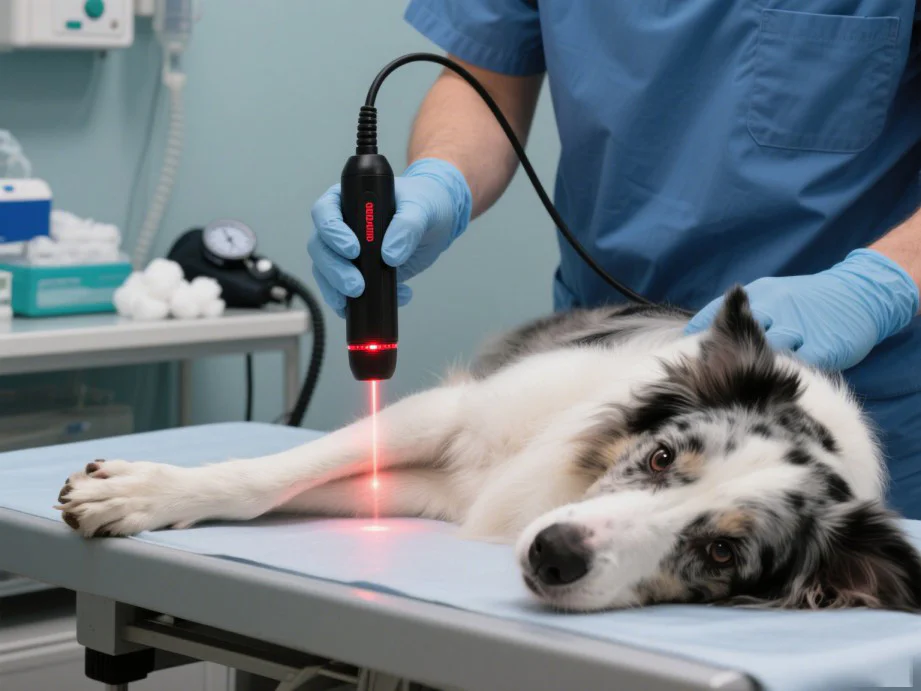
Na paisagem em evolução da ortopedia veterinária, a gestão do doente geriátrico requer uma mudança da supressão reactiva dos sintomas para a modulação biológica proactiva. Embora a medicina veterinária tradicional se tenha baseado fortemente na abordagem “NSAID-First”, a realidade clínica da senescência de múltiplos órgãos em cães idosos - particularmente em raças maiores - exige uma alternativa mais segura e sustentável. É aqui que terapia laser fria para cães transcendeu as suas origens como uma modalidade de “luxo” para se tornar uma pedra angular da prática regenerativa.
Quando avaliamos a eficácia de terapia laser para a artrite canina, Para que o tecido canino receba uma “dose terapêutica” suficiente para alterar a cascata inflamatória, ou estamos simplesmente a proporcionar uma sensação de aquecimento superficial? A resposta reside na física da irradiância e nos desafios específicos da anatomia canina, particularmente quando se trata de áreas complexas como as extremidades distais através de terapia laser para os pés.
Para compreender como funciona a terapia laser no modelo canino, temos de olhar para a taxa metabólica específica dos condrócitos e fibroblastos caninos. O tecido canino apresenta tipicamente uma maior densidade de mitocôndrias por célula no sistema músculo-esquelético em comparação com os humanos sedentários, tornando-os excecionalmente sensíveis a Fotobiomodulação (PBM).
O mecanismo principal envolve a absorção de fotões pelo Citocromo c Oxidase (CCO) dentro da cadeia respiratória mitocondrial. Numa articulação artrítica, a acumulação de óxido nítrico (NO) inibe a ligação do oxigénio, levando a um estado de “hibernação metabólica”. A luz infravermelha próxima (NIR), particularmente nos comprimentos de onda de 810nm e 980nm, facilita a dissociação do NO da CCO. Esta “desobstrução” molecular permite um rápido aumento da produção de trifosfato de adenosina (ATP), fornecendo à célula a energia necessária para a reparação das membranas e a síntese proteica.
Para além do ATP, temos de considerar a modulação das espécies reactivas de oxigénio (ROS). Enquanto o excesso de ROS causa danos nos tecidos, a explosão controlada induzida por um laser de alta potência actua como uma molécula de sinalização para ativar factores de transcrição como o NF-kB. Isto leva à desregulação a longo prazo de citocinas pró-inflamatórias como a IL-1 e o TNF-alfa, que são os principais factores de degradação da cartilagem em terapia laser para a artrite canina.
Na prática clínica veterinária, os “problemas de patas” raramente são isolados. Um cão que sofra de artrite da anca ou do joelho irá inevitavelmente alterar a sua marcha, levando a uma tensão compensatória nas articulações metacarpofalângicas e metatársicas. Esta “dor ascendente” manifesta-se frequentemente por lambedura crónica, inflamação interdigital e pododermatite secundária.
Terapia laser para os pés apresenta um desafio único: a almofada da pata canina é uma estrutura queratinizada altamente especializada, concebida para proteção e absorção de choques. Este tecido denso é uma barreira ótica formidável. Os lasers de baixo nível da Classe III falham frequentemente neste caso porque os fotões são dispersos ou absorvidos no estrato córneo espesso das almofadas digitais antes de atingirem as estruturas sinoviais mais profundas.
Para ser eficaz, o melhor aparelho de terapia laser a frio para cães deve fornecer uma potência de pico suficiente para ultrapassar este “ruído ótico”. Utilizando tecnologia de classe IV de alta irradiância, podemos assegurar que a “pressão de fotões” é suficientemente elevada para atingir as pequenas articulações das falanges. Isto não só reduz a dor localizada, como também melhora o feedback propriocetivo, permitindo que o cão se mantenha mais direito e reduzindo a carga nas suas articulações proximais já artríticas.
O mercado veterinário está saturado de dispositivos rotulados como “lasers frios”, um termo que é tecnicamente incorreto no contexto da terapia moderna de alta potência. Como especialista clínico, a distinção entre um dispositivo de baixa potência de “utilização doméstica” e um sistema de alta intensidade de “grau clínico” é uma questão de profundidade terapêutica e eficiência de tempo.
O o melhor aparelho de terapia laser a frio para cães é definido pela sua capacidade de administrar uma “dose terapêutica” (medida em Joules por centímetro quadrado) a estruturas profundas como a junção lombossacra ou a articulação da anca. Um dispositivo com apenas 500mW de potência necessitaria de cerca de 30 minutos de aplicação estacionária para administrar uma dose significativa na anca de um cão de raça grande - um período de tempo que é praticamente impossível para a maioria dos doentes caninos.
Por outro lado, um sistema de Classe IV com capacidade de 15W a 20W pode administrar a mesma dose em 3 a 5 minutos utilizando uma técnica de varrimento. Esta eficiência é fundamental para a adesão do doente e permite o tratamento de vários locais (por exemplo, ambas as ancas, a coluna vertebral e os pés) numa única janela clínica de 15 minutos.
Para melhorar a SEO e o valor clínico desta discussão, temos de integrar conceitos secundários de elevado valor:
Este caso demonstra a necessidade de uma abordagem sistémica da mobilidade canina, combinando o tratamento da articulação central com os cuidados das extremidades distais.
O Max apresentava uma perda significativa de massa muscular na região glútea e sensibilidade ao longo da junção L7-S1. A lesão na pata dianteira era um clássico “granuloma de lamber”, uma resposta comportamental à sensação crónica de “alfinetes e agulhas” (parestesia) causada pelos seus problemas de coluna e anca.
A estratégia de tratamento utilizou uma abordagem “Bio-Staging”: tratar a fonte (ancas/coluna) e o sintoma (pés dianteiros).
| Área-alvo | Comprimento de onda | Potência de saída | Frequência/Modo | Densidade energética | Energia total |
| Ancas bilaterais | 810nm + 1064nm | 15 Watts | Onda contínua | 12 J/cm² | 6.000 J (3k/lado) |
| Lombossacral (L7-S1) | 1064nm | 10 Watts | Pulsado (500Hz) | 10 J/cm² | 2,500 J |
| Pé direito dianteiro | 915nm + 980nm | 6 Watts | Pulsado (20Hz) | 6 J/cm² | 1,000 J |
Frequência: 3 sessões por semana durante 3 semanas, passando depois a uma sessão de duas em duas semanas para manutenção.
Este caso prova que terapia laser fria para cães é mais eficaz quando utilizado como uma “Modalidade Regional”. Ao tratar as ancas e a coluna vertebral com luz de penetração profunda de 1064nm e a pata com luz de 980nm/915nm, abordámos toda a cadeia cinética. A qualidade de vida do Max melhorou não só devido ao alívio da dor, mas também devido ao restabelecimento da sua integridade neurológica e vascular.
Um dos aspectos mais críticos da utilização do o melhor aparelho de terapia laser a frio para cães é o ajuste para o “Fator Melanina”. Ao contrário da pele humana, a pele canina está coberta por um denso pelo.
Os especialistas clínicos devem utilizar o “Active Scanning” e a “Dynamic Dosing”. Se o dispositivo não permitir o ajuste da potência com base na cor da pelagem, não é uma verdadeira ferramenta de nível clínico. Para terapia laser para a artrite canina, Por isso, sugerimos frequentemente “separar o cabelo” ou utilizar um acessório de contacto para contornar a superfície reflectora do pelo.
Para além dos benefícios médicos, a integração de terapia laser fria para cães numa clínica proporciona uma significativa “oportunidade de criar laços”. Os donos de cães geriátricos estão frequentemente muito motivados para encontrar soluções não invasivas. Quando vêem o seu cão relaxar durante uma sessão - muitas vezes exibindo sinais de “libertação de endorfinas”, como bocejos ou suspiros profundos - constroem um imenso nível de confiança.
Em termos económicos, um laser de classe IV proporciona um elevado retorno do investimento, uma vez que é uma ferramenta “multiusos”. Pode tratar:
Sim. Ao contrário das intervenções farmacológicas, a PBM não tem toxicidade cumulativa. De facto, para doenças crónicas como terapia laser para a artrite canina, Para manter a respiração mitocondrial a um nível ótimo e evitar o regresso do “ciclo” inflamatório, recomenda-se uma manutenção a longo prazo (uma ou duas vezes por mês).”
“O ”arranhar“ é frequentemente causado por uma combinação de fraqueza e diminuição da propriocepção (a consciência do cérebro da posição da pata). Ao utilizar a terapia laser nas raízes dos nervos espinais e nos nervos digitais das patas, melhoramos a condução nervosa e reduzimos o edema que pode estar a comprimir esses nervos, levando a uma melhor ”colocação da pata".”
Embora a física da luz seja a mesma, os protocolos e as definições de segurança são diferentes. O o melhor aparelho de terapia laser a frio para cães Os aparelhos veterinários têm definições de software específicas que têm em conta a anatomia canina, a densidade do pelo e as patologias comuns. A utilização de um dispositivo humano sem formação específica para veterinários pode conduzir a uma subdosagem (ineficaz) ou a uma sobredosagem (desconforto térmico).
As principais contra-indicações são o tratamento sobre uma doença maligna conhecida (cancro), o tratamento sobre um útero grávido ou o tratamento diretamente nos olhos (o médico deve usar óculos de proteção e o cão pode usá-los).
A próxima fronteira na PBM veterinária é a “Terapia Preventiva”. Em vez de esperar que um cão fique coxo, estamos a assistir ao aparecimento de “Senior Wellness Laser Programs”, em que os cães a partir dos 7 ou 8 anos de idade recebem sessões trimestrais para manter a saúde da cartilagem e a vascularização.
Ao utilizar sistemas de alto rendimento e multi-comprimentos de onda, não estamos apenas a mascarar a dor do envelhecimento; estamos a mudar fundamentalmente a forma como o corpo canino lida com o stress biológico do tempo. Terapia laser para a artrite canina é a ponte entre a medicina tradicional e o futuro da gerontologia regenerativa.