 FotonMedix












Vetmedix Case Share | Application of High-Energy Laser Therapy in Canine Pododermatitis
Introduction
The interdigital skin of West Highland White Terriers is delicate, and the narrow spaces between the toes combined with daily walking friction and humid microenvironments easily induce interdigital pruritus. When dogs repeatedly lick, bite, and chew the affected area, they persistently disrupt the cutaneous barrier, resulting in epidermal breakdown and superficial erosion. Furthermore, canine saliva carries numerous opportunistic bacteria and fungi, which thrive in the warm, enclosed, poorly ventilated interdigital space. This easily leads to localized inflammatory infiltration, ulceration, abnormal ambulation, chronic pain, and persistent itching. High-energy laser therapy is an advanced, non-invasive physical therapy modality in modern veterinary medicine for skin inflammation repair, wound infection control, and stubborn dermatological disease rehabilitation. Widely regarded as the best laser therapy device for dogs with chronic skin disorders, it offers distinctive advantages including safe non-invasiveness, painless application, targeted anti-inflammatory and antibacterial properties, rapid resolution of swelling, and cutaneous barrier repair. It effectively inhibits pathogen proliferation, halts persistent inflammatory and infectious progression, reduces hyperemia, edema, and inflammatory trauma, accelerates damaged tissue metabolism, and promotes nascent epithelial regeneration. Furthermore, it rapidly relieves pruritus, swelling, and burning sensations to eliminate the root urge for compulsive licking and biting. This approach efficiently resolves interdigital erythema, ulceration, recurrent flare-ups, and hyperplastic non-healing lesions, maximizing the restoration of affected podal tissues and reducing risks of recurrence, hyperpigmentation, proliferative deformity, and systemic infection.
This report comprehensively documents the rehabilitation process of using VETMEDIX veterinary laser equipment to treat stubborn pododermatitis, cutaneous breakdown, inflammatory hyperplasia, and secondary infection in a West Highland White Terrier triggered by persistent licking. It provides a scientific clinical rationale and practical reference for managing canine lick-induced pododermatitis, chronic interdigital dermatoses, infectious skin trauma, and refractory cutaneous lesions.
01 Case Introduction
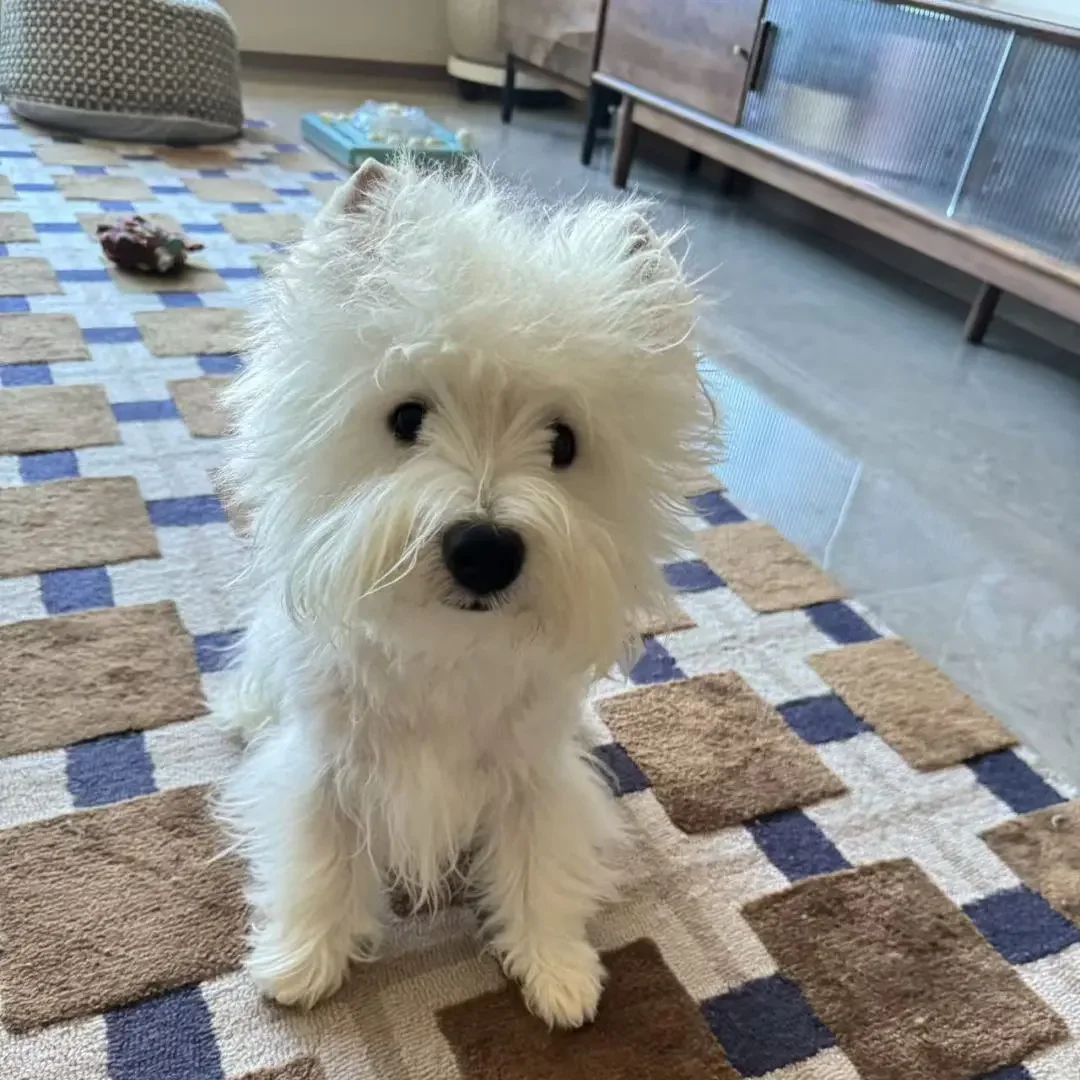
- Pet Name: Da Mo
- Breed: West Highland White Terrier
- Gender: Male
- Age: 1 year old
- Past Medical History: None
- Chief Complaint: Compulsive licking and biting of the left front paw.
02 Diagnostic Results
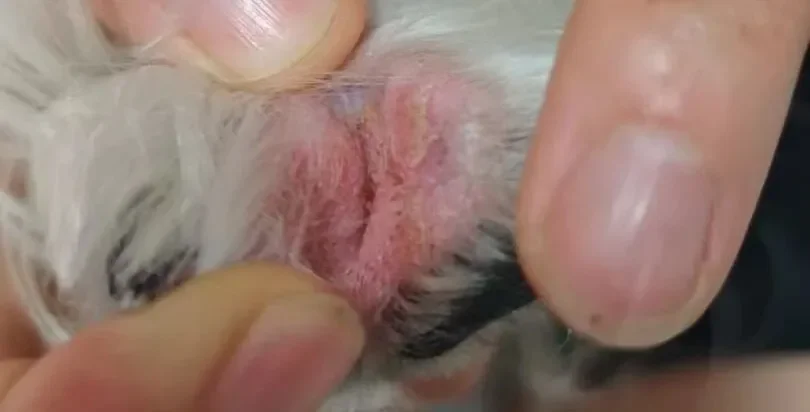
Interdigital dermatitis (Pododermatitis)
03 VETMEDIX High-Energy Laser Therapy Protocol
- Course of Treatment: Twice daily for a total of 10 sessions.
- Treatment Mode: Under preset protocol—Canine / Acute / Skin / 65 cm².
- Treatment Technique: Utilized a standard treatment head to perform a sweeping back-and-forth scanning motion across the affected area. Utilizing advanced class 4 laser therapy delivered deep biostimulation and accelerated tissue healing.
- Adjuvant Therapy: Apoquel (Oclacitinib), Baiji ointment.
(High-Energy Laser Physiotherapy Device in Progress)
04 Treatment Results
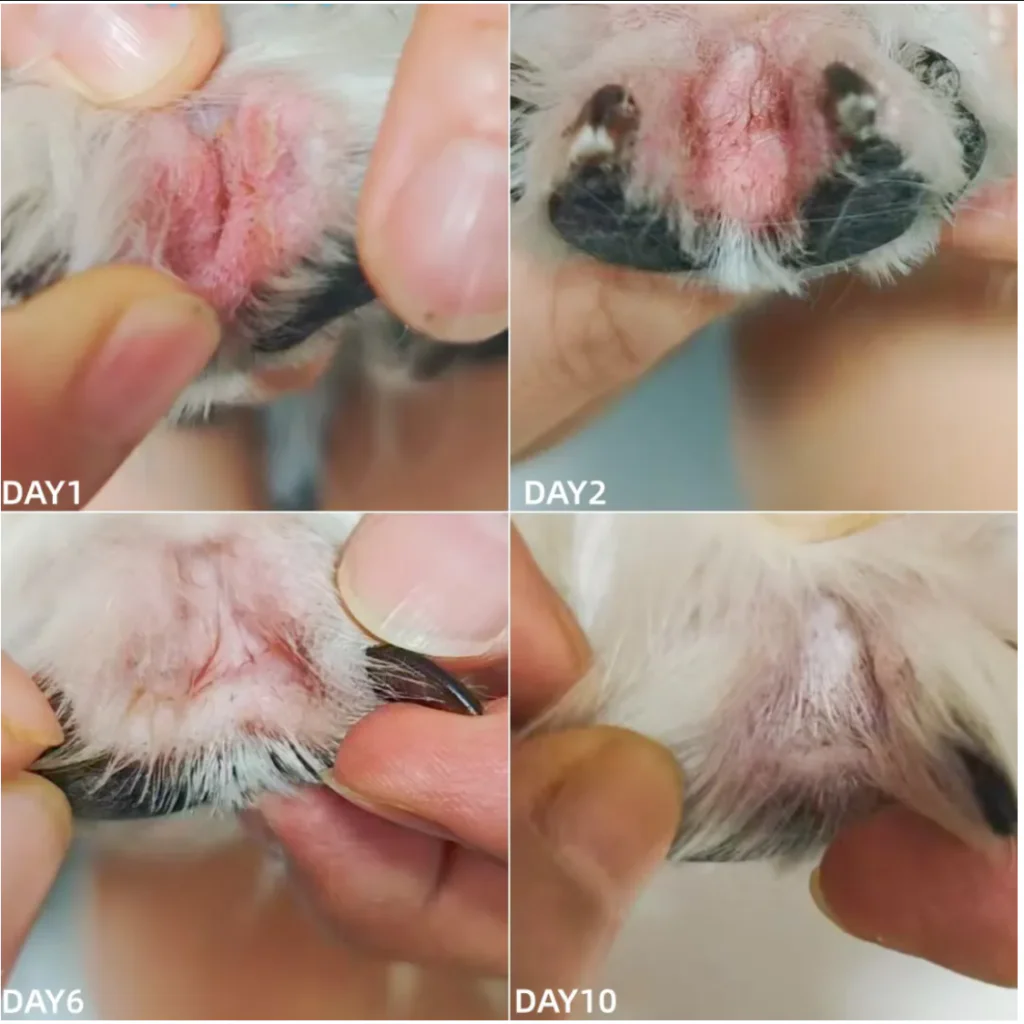
(Post Treatment)
05 Case Summary
Short-term Recovery:
The veterinary medical team at Hefei Aita Pet Hospital implemented a high-energy laser therapy protocol for the West Highland White Terrier suffering from chronic pododermatitis caused by persistent paw licking. Following targeted pet laser therapy, local erythema, heat, edema, pain, and cutaneous hyperemia in the interdigital lesions subsided progressively. Secondary superficial infection and inflammatory exudation improved markedly, the scope of localized inflammatory infiltration steadily contracted, and discomforts including pruritus, swelling, and burning sensations diminished significantly, which effectively curtailed the dog’s compulsive licking and biting behaviors. The broken, inflamed interdigital wound dried and contracted gradually, superficial erosions and crusts sloughed off naturally, and nascent epithelial tissue formed in an orderly manner. The patient’s general disposition, gait, daily activity levels, and appetite steadily returned to normal.
Long-term Tracking:
Long-term post-discharge follow-up evaluations demonstrated that the interdigital lesion on the dog’s left forepaw had healed completely. Crusts detached naturally, leaving smooth, intact skin without common sequelae such as recurrent swelling, exudative ulceration, hyperkeratosis, thickened scar tissue, or abnormal hyperpigmentation. The dog’s routine behaviors—including walking, running, playing, self-grooming, eating, and resting—fully returned to normal. The injured cutaneous and subcutaneous soft tissues achieved complete structural repair, the skin barrier function was fully reinstated, habitual paw licking ceased entirely, and the foot health remained stable in a healthy home environment.
Conclusion:
This case presents conclusive clinical evidence of the therapeutic value of VETMEDIX small animal high-energy laser therapy in treating chronic pododermatitis, cutaneous ulceration, inflammatory infiltration, and secondary infections induced by repetitive licking in dogs. Through Photobiomodulation (PBM) mechanisms, high-energy laser precisely targets interdigital lesions and surrounding inflamed skin in a non-invasive and painless manner. It effectively enhances local blood circulation and cellular metabolism, swiftly resolves inflammatory edema, relieves pruritus and pain, and strongly suppresses superficial bacterial proliferation, halting the spread of maceration, erosion, and infection. By accelerating the clearance of damaged inflammatory tissue and promoting epithelial and soft tissue regeneration, it substantially shortens the healing timeline of refractory pododermatitis. This modality successfully prevents common complications such as recurrent inflammation, hyperplastic skin thickening, non-healing ulcers, and secondary interdigital abscesses, demonstrating exceptional safety and restorative efficacy for high-frequency, challenging canine dermatological conditions.
06 Hospital Introduction
Hefei Aita Pet Hospital
Led by Dr. Xu Xiong and founded in 2010, Hefei Aita Pet Hospital is situated in Yunbin Garden, North 1st Ring Road, Luyang District, Hefei City. It is positioned as a comprehensive veterinary hospital integrating clinical care, boarding, and pet retail. For over a decade, the hospital has adhered to the principle of “Public Welfare First, Technology as the Foundation.” The facility is equipped with CT, PCR nucleic acid diagnostics, digital X-ray machines, biochemistry analyzers, and laser therapy units. Its core specialties include canine and feline internal medicine, surgery, orthopedics, oncology, and geriatric complicated diseases.
Concurrently, the hospital actively undertakes social responsibility by maintaining a permanent “low-cost or free” green rescue channel for stray animals, treating over 1,000 cases annually. Partnering with Aunt Wei’s Rescue Station, routine procedures such as neutering and deworming are priced as low as 200 RMB per case. The clinic has successfully treated cleft palate cats and abused canines before returning them to shelters for long-term care, and collaborated with the Blue Sky Rescue Team for deep-well feline extractions and stomatitis treatments. Praised by pet owners for professional veterinary skills, transparent billing, and safe, efficient procedures, the hospital is regarded as a trusted haven for Hefei pet owners. Looking forward, Aita will deepen its focus on exotic pet clinical care and Traditional Chinese Veterinary Medicine (TCVM) rehabilitation, advancing the adoption of veterinary medical technologies to safeguard lives with expertise and care.
- Address: Room 109-110, Building 4, Yunbin Garden, North 1st Ring Road, Luyang District, Hefei City