Search the whole station

news

Company News丨Industry News丨Products News

Can Laser Glaucoma Surgery Transform Outcomes in Modern Animal Rehabilitation?

Introduction

Glaucoma continues to challenge veterinarians due to its rapid progression and irreversible damage to the optic nerve. Traditional medical therapy often slows—but rarely stops—disease advancement. With the rise of glaucoma laser systems and minimally invasive laser glaucoma surgery, treatment paradigms have shifted significantly. Rehabilitation departments now integrate ocular care to enhance functional mobility and long-term patient recovery.

This article explores how these laser modalities transform treatment and why their integration into animal rehabilitation programs is becoming standard across advanced veterinary hospitals.


Section 1 — Understanding Glaucoma From a Rehabilitation Perspective

Is managing glaucoma relevant in rehab settings?

Yes. Vision affects every aspect of movement. When animals suffer from glaucoma:

  • Their stepping accuracy decreases
  • Their confidence navigating environments declines
  • They develop compensatory muscle tension
  • They are more prone to injuries

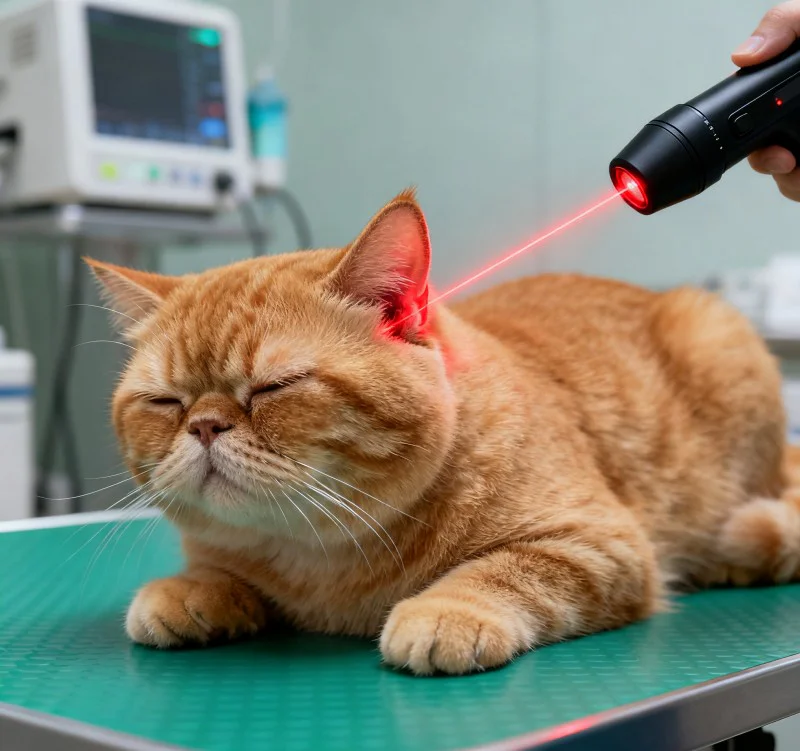
Thus, vision preservation is a rehabilitation priority. Laser therapy for glaucoma plays a key role in protecting visual function.
Can Laser Glaucoma Surgery Transform Outcomes in Modern Animal Rehabilitation? - laser glaucoma surgery(images 1)

Section 2 — Technology Overview: Glaucoma Laser Systems in Veterinary Use

1. Diode-Based Glaucoma Laser Photocoagulation

Modern veterinary ophthalmology relies heavily on diode lasers (810–980 nm) to perform cyclophotocoagulation.

Mechanisms:

  • Controlled ablation of ciliary body epithelium
  • Reduced aqueous humor production
  • Long-term intraocular pressure control

This approach is the backbone of laser glaucoma surgery, especially for dogs with refractory glaucoma or breed predispositions (Beagles, Cocker Spaniels, Basset Hounds).


2. Combined Laser–Medical Therapy Pathways

Laser procedures often accompany:

  • Prostaglandin analogs
  • Carbonic anhydrase inhibitors
  • Beta-blockers

The integration reduces medication burden and stabilizes long-term IOP.


3. Non-Surgical Class 4 Laser Therapy for Glaucoma

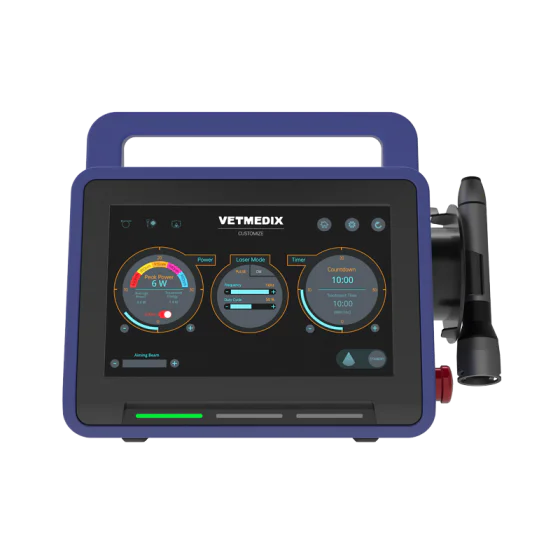
Rehabilitation clinics frequently adopt high-power Class 4 laser systems not for photocoagulation but for:

  • Decreasing inflammatory cytokines
  • Supporting microvascular perfusion
  • Improving orbital tissue healing post-surgery

This supportive laser therapy for glaucoma is safe for repeated sessions and enhances surgical outcomes.


Section 3 — Why Rehabilitation Centers Use Laser Glaucoma Surgery

1. Long-term Vision Support Affects Mobility Outcomes

Animals treated early maintain:

  • Better obstacle detection
  • More natural gait
  • Higher engagement in therapy
  • Reduced anxiety in unfamiliar settings

2. Reduced Pain Supports Better Physiological Function

Glaucoma pain significantly disrupts autonomic balance. By lowering IOP through glaucoma laser intervention, patients exhibit improved cardiovascular stability and better responsiveness to rehabilitation exercises.

3. Multidisciplinary Workflow Enhances Continuity of Care

Modern animal hospitals integrate:

  • Ophthalmologists
  • Rehabilitation veterinarians
  • Neurologists
  • Behaviorists

Laser-based glaucoma management aligns seamlessly with this collaborative approach.


Section 4 — Hospital-Style Veterinary Case: Laser Glaucoma Surgery in a Feline Patient

Case Summary: Chronic Feline Glaucoma Stabilized With Laser Intervention and Rehabilitation Integration

Patient: Domestic Shorthair cat, female spayed, 11 years
Weight: 4.8 kg
Presenting Complaint: Progressive vision loss, decreased activity, reluctance to jump onto furniture

Clinical Examination

  • IOP Right Eye (OD): 42 mmHg
  • IOP Left Eye (OS): 39 mmHg
  • Gonioscopy: Narrow iridocorneal angles
  • Fundoscopy: Moderate optic nerve cupping
  • Gait observation: Reduced vertical movement, hesitant jumps, decreased limb extension

Diagnosis

Secondary glaucoma due to chronic uveitis.


Surgical Intervention

The ophthalmology team selected Endoscopic Cyclophotocoagulation (ECP) using a diode glaucoma laser.

Procedure highlights:

  • Minimally invasive intraocular access
  • Precise application to ciliary processes
  • Reduced risk of collateral tissue damage

Immediate Post-Op IOP:

  • OD: 22 mmHg
  • OS: 20 mmHg
Can Laser Glaucoma Surgery Transform Outcomes in Modern Animal Rehabilitation? - glaucoma laser(images 2)

Rehabilitation Protocol

Rehabilitation intervention began 24 hours post-surgery.

Class 4 Laser Therapy (Non-Ablative):

  • Applied to periorbital region (avoiding direct eye exposure)
  • Aimed at enhancing microcirculation and reducing inflammatory load

Functional Mobility Training:

  • Elevated platform steps to rebuild jumping confidence
  • Controlled balance exercises
  • Slow treadmill walking

Oculomotor Stimulation:

  • Target tracking games
  • Light–dark contrast exercises

Outcome

After 8 weeks:

  • IOP stabilized between 17–19 mmHg
  • Cat resumed normal jumping and climbing behavior
  • No signs of ocular pain
  • Fundoscopy revealed halted progression of optic nerve degeneration

Clinical Importance

This case demonstrates that laser glaucoma surgery combined with properly structured animal rehabilitation can halt disease progression, restore behavior, and preserve long-term functional mobility.

The prev: The next:

Submit with confidence. Your data is protected in accordance with our Privacy Policy.
See More Privacy Policy

I Know