 FotonMedix














Vetmedix Case Share | Applicazione della terapia laser di classe 4 nell'ernia traumatica postoperatoria della parete addominale nel cane
Introduzione
Following orthopedic fracture surgery in dogs, patients frequently compromise wound protection through self-licking, resulting in wound contamination and purulent exudation that subsequently progresses to suppurative wound infection. Persistent infection exacerbates localized inflammation and soft tissue necrosis, disrupts the fracture microenvironment, and impedes granulation tissue proliferation and callus formation. This can easily lead to chronic non-healing wounds and subcutaneous cellulitis, or in severe cases, induce osteomyelitis and systemic sepsis, directly interfering with osteosynthesis and prolonging rehabilitation. Recognized as an advanced, non-invasive physical intervention in veterinary medicine for such postoperative suppurative infections, laserterapia di classe 4 offers core advantages including safe low-stress application, anti-inflammatory and bactericidal properties, reduction of purulent exudation, enhancement of lesion microcirculation, acceleration of granulation and epithelial regeneration, and suppression of infection spread. Widely regarded as the Il miglior dispositivo di laserterapia per cani recovering from complex surgical complications, this trattamento di laserterapia effectively controls localized suppuration, mitigates tissue trauma, facilitates infected wound repair, and reduces the risk of infection penetrating deep into the bone.
This report comprehensively documents the entire clinical diagnostic and treatment process of utilizing VETMEDIX veterinary laser equipment to administer laserterapia dei tessuti profondi for a suppurative wound infection triggered by post-fracture self-licking in a dog. It provides practical clinical strategies and references for managing secondary suppurative infections, post-debridement rehabilitation, localized inflammation control, and infected wound healing following canine orthopedic surgeries.
01 Presentazione del caso
- Razza: Chinese Rural Dog (Native Breed)
- Nome dell'animale: Wang Cai
- Età: 3 months old
- Genere: Uomo
- Anamnesi medica passata: Nessuno
- Reclamo principale: Suppurative wound infection caused by licking the incision site after orthopedic fracture surgery.
02 Risultati diagnostici
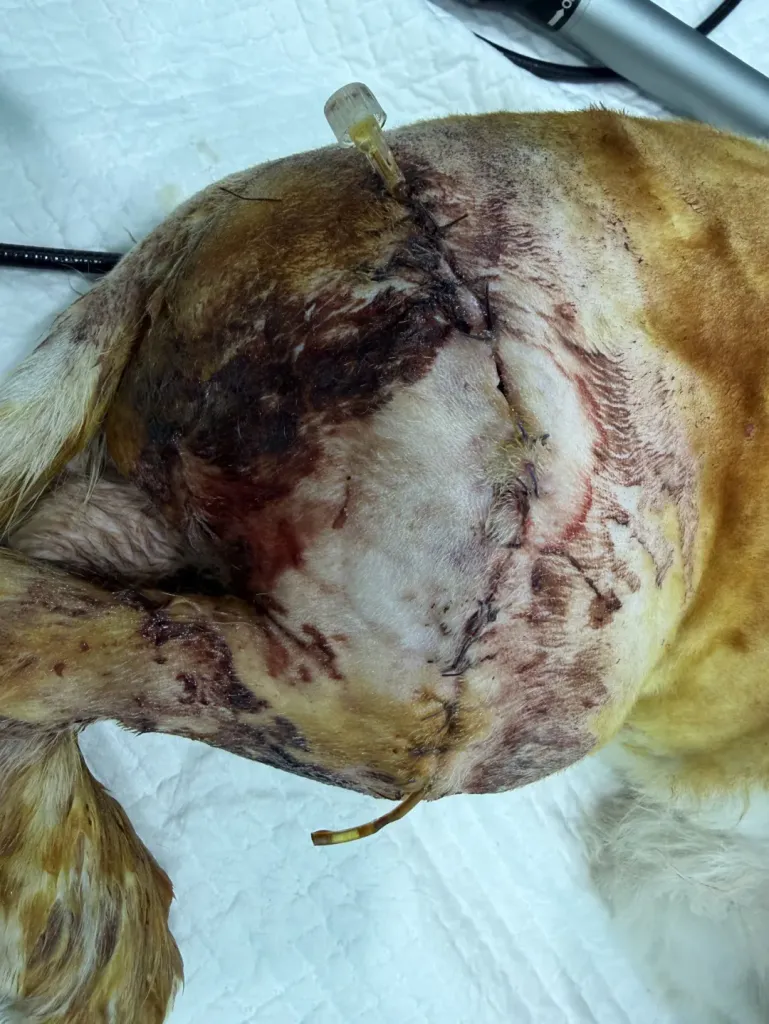
Suppurative wound infection induced by postoperative licking following fracture surgery.
03 Protocollo di terapia laser VETMEDIX
- Modalità di trattamento: Under preset protocol—Canine / Skin / Acute.
- Tecnica di trattamento: È stata utilizzata una testina di trattamento standard per eseguire un movimento di scansione ampio, avanti e indietro, sull’area interessata. Somministrazione dei trattamenti tramite tecnologia avanzata apparecchiature per la terapia laser veterinaria ensured targeted photobiomodulation to accelerate deep tissue clearance and repair.
- Terapia adiuvante: Incision and drainage (opening to evacuate pus and placement of a surgical drain), combined with laser physiotherapy, topical wound-healing ointment care, and systemic antibiotic therapy.
(Terapia laser VETMEDIX in corso)
04 Risultati del trattamento
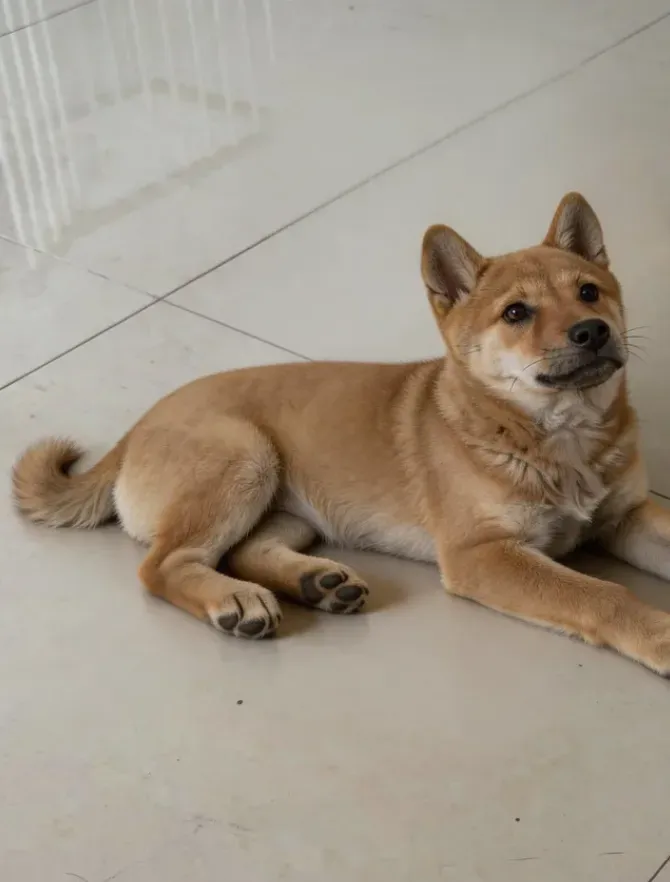
(Post Laser Therapy Treatment)
05 Sintesi del caso
Recupero a breve termine:
The veterinary team at Xinjiang Kuitun Youmeikang Pet Hospital implemented a comprehensive treatment protocol for the puppy suffering from a secondary suppurative infection caused by post-fracture licking: surgical incision and drainage, combined with laserterapia di classe 4, topical wound ointment care, and systemic antibiotics. With continuous laserterapia per animali domestici interventions throughout the standardized treatment cycle, purulent exudation from the lesion steadily decreased, the margins of erythema and inflammatory infiltration progressively narrowed, and localized tenderness was markedly alleviated. The wound bed gradually transitioned from moist and necrotic to dry and clean, with granulation tissue proliferating in an orderly manner. Pain-induced symptoms—including reluctance to be touched, refusal to bear weight on the affected limb, and lameness—continuously improved, while the puppy’s general demeanor and appetite steadily recovered.
Monitoraggio a lungo termine:
Continuous post-discharge follow-up evaluations demonstrated complete epithelialization and closure of the suppurative wound, with no recurrent purulent discharge or ulceration. The drainage site healed cleanly without forming refractory sinus tracts or developing secondary complications such as deep cellulitis or osteomyelitis. The fracture healing timeline remained uninterrupted by the prior infection, showing normal callus formation. Joint range of motion and muscle strength in the affected limb progressively recovered, enabling normal weight-bearing activities such as walking, trotting, and climbing stairs, successfully restoring full limb motor function and returning the puppy to normal daily life.
Conclusione:
This case provides conclusive clinical proof of the definite therapeutic efficacy of VETMEDIX small animal terapia di trattamento laser in treating suppurative wound infections triggered by postoperative self-licking in canine fracture patients. Driven by Photobiomodulation (PBM) mechanisms, the laser non-invasively targets infected lesions to help attenuate localized inflammatory responses, optimize microcirculation within the lesion bed, promote granulation and epithelial tissue regeneration, and suppress local pathogen proliferation. Working synergistically with pharmacotherapy and surgical drainage, it accelerates the decontamination and repair of infected wounds, reduces the risk of infection spreading into deep soft tissues and bone (preventing osteomyelitis), preserves the fracture repair microenvironment, and minimizes adverse outcomes such as chronic persistent infection, sinus tract formation, and delayed union. It proves safe and effective for postoperative orthopedic wound infection rehabilitation, warranting broad clinical adoption.
06 Introduzione all'ospedale
Clinica veterinaria Youmeikang di Kuitun, Xinjiang
Fondata nel 2020, la clinica veterinaria Xinjiang Kuitun Youmeikang è specializzata nella diagnostica e nella cura clinica degli animali. Grazie alla sua pluriennale presenza sul mercato veterinario locale, la clinica si è guadagnata la fiducia diffusa dei proprietari di animali domestici della zona grazie a procedure diagnostiche standardizzate, una solida competenza medica e un servizio attento. La clinica vanta una vasta esperienza clinica nella gestione di patologie sia comuni che complesse, tra cui la sterilizzazione degli animali da compagnia, il trattamento dei traumi, la gestione delle patologie infiammatorie e la medicina preventiva. Grazie all’efficiente erogazione di una vasta gamma di servizi diagnostici clinici, trattamenti medici e riabilitazione post-operatoria per cani e gatti, si afferma come una clinica veterinaria rinomata, professionale e completa nella regione di Kuitun.