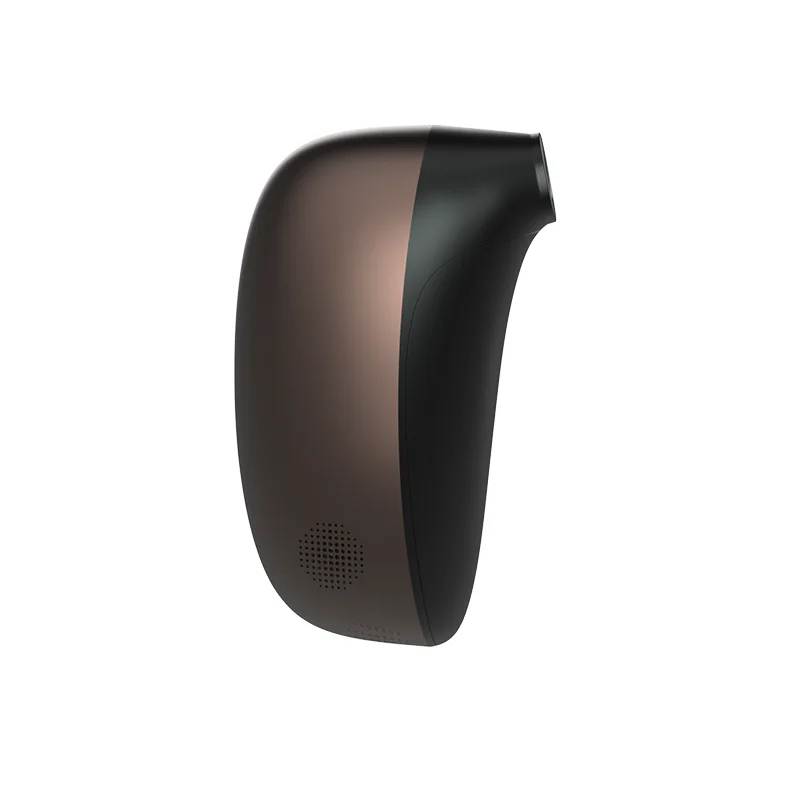
Rhinitis Laser Treatment with Class 4 Lasers: Evidence-Based Outcomes and Patient Case Review
导言
Rhinitis is one of the most common conditions treated in otolaryngology clinics. For patients with refractory symptoms, rhinitis laser therapy has emerged as an innovative, evidence-based solution. With 4 级激光治疗, physicians can target hypertrophic mucosal tissue directly, providing long-lasting relief without systemic medication. Specialized rhinitis laser therapy devices have made these treatments accessible in outpatient settings, enhancing both patient satisfaction and clinical outcomes.
The Science of Rhinitis Laser Therapy
的成功 rhinitis laser treatment lies in its combined mechanisms:
- Thermal tissue reduction: shrinking nasal turbinates.
- Improved hemodynamics: reduced vascular congestion.
- Anti-inflammatory modulation: decreased mediator release.
- Enhanced nasal airflow: restoring normal breathing function.
Unlike surgical turbinectomy, 4 级激光治疗 is minimally invasive, carries low risk of bleeding, and has no significant downtime.
Rhinitis Laser Therapy Device Specifications
- Laser type: Class 4 diode laser
- 波长范围 810-980 纳米
- Output: 5–10W, adjustable
- Modes: pulsed and continuous
- Application: fiber-optic probe under endoscopic guidance
ENT specialists report that these devices are easy to operate, require minimal training, and integrate seamlessly with existing clinical infrastructure.

Clinical Workflow of Rhinitis Laser Treatment
- Pre-treatment nasal endoscopy
- Application of topical anesthetic spray
- Laser probe introduced into inferior turbinate
- Controlled photothermal ablation applied for 5–10 minutes
- Observation and discharge within 30 minutes
This efficient workflow makes rhinitis laser therapy suitable for high-volume ENT clinics.
Case Study: Clinical Effectiveness
Patient Background
- Age: 35 years
- Gender: Female
- Diagnosis: vasomotor rhinitis, resistant to medical therapy for 6 years
- Symptoms: nasal obstruction, watery rhinorrhea, postnasal drip, poor sleep quality
- Previous therapies: antihistamines, decongestants, corticosteroids, immunotherapy
Laser Protocol
- Device: Class 4 rhinitis laser therapy device (980 nm, 6.5W continuous mode)
- Duration: 7 minutes per nostril
- Sessions: 2 sessions, spaced 2 weeks apart
成果
- Immediate relief of nasal obstruction after first session
- Rhinorrhea decreased by 70% after second session
- Sleep quality significantly improved, patient reported reduced daytime fatigue
- Nine-month follow-up: stable improvement, no recurrence, no adverse effects
Interpretation
This case highlights the role of 4 级激光治疗 as a safe, effective, and sustainable solution for patients with chronic rhinitis unresponsive to pharmacological management.
Benefits of Rhinitis Laser Therapy
- Quick outpatient procedure
- Minimal discomfort, no bleeding
- Reduces long-term dependence on medications
- Proven efficacy in allergic and vasomotor rhinitis
- Sustainable symptom control with minimal side effects
结论
Rhinitis laser treatment using class 4 laser therapy devices represents a paradigm shift in ENT care. Supported by clinical evidence and real-world outcomes, it provides a practical, safe, and patient-friendly alternative to both medications and surgical interventions. As awareness and availability increase, rhinitis laser therapy is expected to become an essential treatment option for patients suffering from chronic rhinitis.
FotonMedix