猫狗兽医激光疗法:疼痛管理、设备技术和临床证据
导言
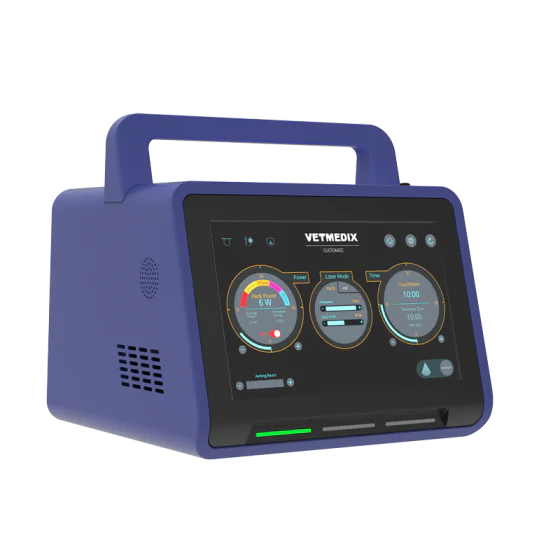
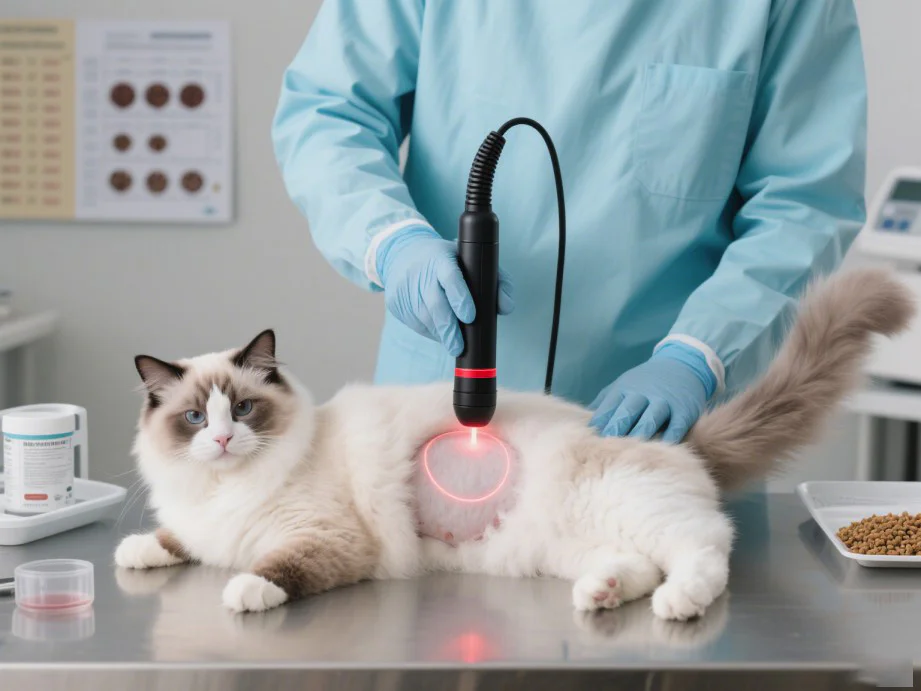
The adoption of 猫的激光疗法 and dogs has changed how veterinarians approach chronic pain, injury recovery, and inflammatory diseases. Drug-free modalities are particularly valuable in feline patients who cannot tolerate many pharmaceutical treatments. The development of advanced 狗激光治疗仪 solutions and the availability of the 最适合狗狗的激光治疗仪 have made this technology a standard in modern veterinary hospitals.
This article reviews the role of 兽医激光疗法, explains device selection considerations, and presents a real-world feline arthritis case study structured like a hospital clinical record.
Biological Mechanisms of Veterinary Laser Therapy
- Photobiomodulation: Light at therapeutic wavelengths penetrates tissues, activating cytochrome c oxidase.
- Enhanced cellular repair: ATP synthesis supports fibroblast proliferation and collagen formation.
- Analgesia: Endorphin release and reduced nerve sensitivity diminish pain perception.
- Anti-inflammatory modulation: Downregulation of pro-inflammatory cytokines.
- Improved circulation: Increases blood supply, accelerates healing, and reduces edema.
Clinical Indications in Cats and Dogs
猫
- Degenerative joint disease and osteoarthritis.
- Post-dental surgery recovery.
- Wound healing for abscesses or post-trauma injuries.
- Respiratory inflammation (rhinitis, asthma adjunct).
狗类
- Orthopedic rehabilitation after cruciate ligament or hip surgery.
- Pain management in hip dysplasia.
- Chronic ear inflammation.
- Neurological recovery after disc compression.
Veterinary hospitals rely on 兽医激光疗法 as part of multimodal pain management strategies.

Device Selection: What Defines the Best Laser Therapy Device for Dogs
A 狗激光治疗仪 should provide:
- Class IV performance: Wavelengths between 800–1100 nm for deep penetration.
- Power modulation: Adjustable 0.5–12 W to tailor treatment intensity.
- Built-in protocols: Pre-set programs for joints, soft tissue, and neurology.
- Durability and portability: Essential for multi-room or mobile practices.
- Regulatory approval: CE/FDA certification ensures clinical safety.
"(《世界人权宣言》) 最适合狗狗的激光治疗仪 balances high output with user-friendly software and reliable safety features.
Case Study: Feline Osteoarthritis Treated with Laser Therapy
病人 Domestic Longhair cat, Male, 12 years old, 5.1 kg.
提出申诉: Difficulty jumping, reduced grooming, stiffness after rest, vocalization when climbing stairs.
临床结果 Pain on palpation of stifles and hips, decreased range of motion, radiographs confirmed moderate osteoarthritis in both hips.
治疗方案:
- 设备:IV 级 vet laser therapy system, dual wavelength 810/980 nm.
- Parameters: 3 W, pulsed mode, 2 minutes per hip joint.
- Frequency: Twice weekly for 4 weeks, then maintenance once weekly.
临床结果:
- Week 2: Owner reported improved mobility, cat resumed grooming hindquarters.
- Week 4: Significant reduction in stiffness, able to jump onto furniture.
- Week 6: Pain score decreased from 7/10 to 3/10 on validated feline pain scale.
- Follow-up: Monthly sessions maintained improvement without requiring NSAIDs.
结论 猫的激光疗法 with osteoarthritis reduced pain and improved quality of life, validating its use as a long-term management tool in geriatric patients.
Advantages of Veterinary Laser Therapy
- Short treatment sessions minimize patient stress.
- Complements pharmacological and surgical interventions.
- Safe across species with minimal side effects.
- Increases owner satisfaction by offering non-drug therapy.
结论
整合 兽医激光疗法 represents a major advancement in companion animal medicine. Whether applied as a 狗激光治疗仪 for orthopedic recovery or the 最适合狗狗的激光治疗仪 in clinical practice, or used for chronic feline arthritis, laser therapy provides safe, measurable, and reliable outcomes.
FotonMedix