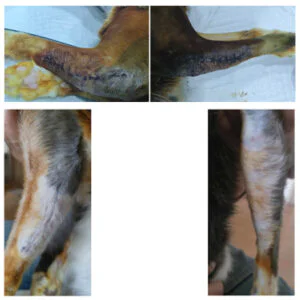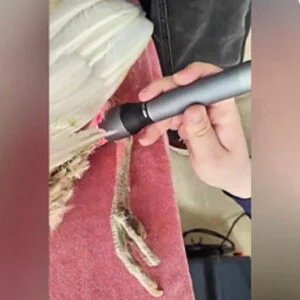
Case sharing
Wide Range Indications | Fast-acting
Search the whole station
Wide Range Indications | Fast-acting
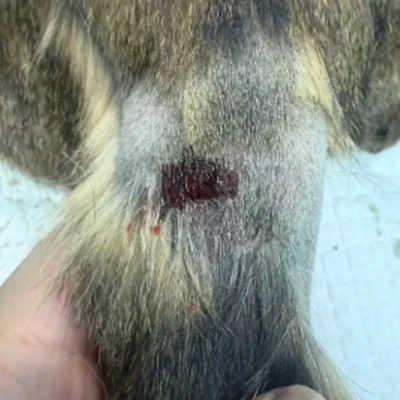
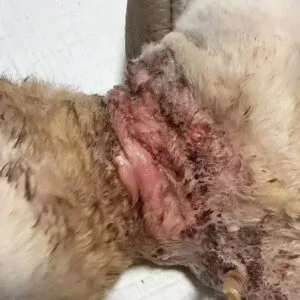
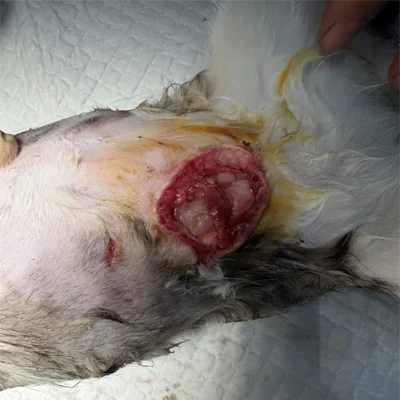
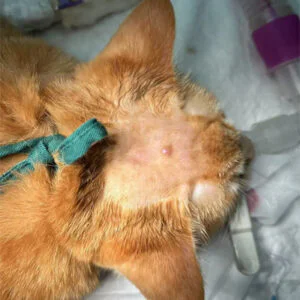
After the occurrence of pet trauma infection, clinical symptoms such as localized redness, elevated skin temperature, exudation, and inflammatory infiltration are common. In severe cases, this can lead to skin ulceration, suppuration, and tissue...
View detailsNeuritis is a common neurological disorder in canine and feline clinical practice. It is often triggered by infection, trauma, compression, or immune abnormalities, leading to nerve edema, pain, and functional impairment. Affected animals freque...
View detailsScrotal infection caused by wound licking after neutering is a common post-operative complication in male dogs. It typically occurs when a dog self-licks or scratches the surgical site, leading to skin damage and the invasion of pathogenic micro...
View detailsTail crushing injuries are common traumatic soft tissue injuries in canine clinical practice, often caused by heavy objects, door pinches, or accidental compression. These injuries typically result in severe tissue contusion, subcutaneous hemato...
View detailsMast cell tumors are common skin and soft tissue neoplasms in feline clinical practice. Radical surgical excision through digit amputation is often performed to minimize the risk of tumor recurrence and metastasis. However, following the amputat...
View detailsLop-eared rabbits have delicate skin and fragile subcutaneous tissues, making them highly susceptible to infections following trauma. Common symptoms include redness, swelling, exudation, and ulceration. In severe cases, this can lead to tissue ...
View detailsWhen small companion animals are bitten by larger dogs, the wounds are often deep and extensively torn, frequently resulting in persistent bleeding, tissue necrosis, and secondary infections. Conventional hemostasis and suturing procedures may c...
View detailsAfter tail injuries, pets are prone to developing suppurative and ulcerative wounds, localized redness, swelling, and pain, as well as impaired peripheral blood circulation. As a distal appendage, the tail is highly active and difficult to prote...
View detailsAfter pets are bitten, localized cavities and swelling are likely to form, often accompanied by severe local pain and infection. If not properly managed, such wounds can easily lead to infection spread, deep tissue necrosis, delayed healing, and...
View detailsAfter sustaining bite wounds, small animals are prone to developing extensive purulent ulcerative infections, characterized by increased purulent discharge, severe localized pain, impaired blood circulation, and tissue necrosis. Inadequate wound...
View detailsSubmit with confidence. Your data is protected in accordance with our Privacy Policy.
See More Privacy Policy