 フォトンメディックス












表面の熱が優勢になると、深層組織への施術は失敗に終わる
深さに応じた照射量制御、波長特異的吸収、熱曝露の制御
患者は、皮膚が明らかに温かくなっている状態でレーザー治療を終えることがありますが、その一方で、より深部にある腱、筋肉、あるいは関節包には、施術者が意図したほどにははるかに少ない光エネルギーしか届いていない場合があります。.
これは、高出力治療における最も現実的な問題の一つです。.
セラピストは、病変構造が深部にあることを把握している。この機器には、相当量のエネルギーを照射するのに十分な出力がある。しかし、数分も経つと、患者は皮膚表面に過度な熱感を感じ始めると訴え出す。そこでセラピストは、照射速度を落とすか、治療部位を変更するか、あるいは施術を中止する。.
その機械は十分な性能を備えています。.
問題は、エネルギーがどこで吸収されているかということです。.
だからこそ、 レーザー治療器 リハビリテーション部門向けの装置の選定は、単に最大ワット数を比較するだけでは不十分です。臨床的に有用なプラットフォームであれば、セラピストが波長、出力、パルス構造、治療時の動き、総エネルギー、および熱的反応を制御できる必要があります。.
について 深部組織レーザー治療, 、この課題はとりわけ顕著である。光エネルギーは、生体組織を通過するにつれて徐々に減衰していく。入射パワーを増加させると、深部で利用可能なエネルギーは増えるが、同時に表層で吸収されるエネルギーも増加してしまう。.
したがって、その目的は単に患者により多くの電力を供給することだけではありません。.
その目的は、表面の加熱が制限要因となることを防ぎつつ、対象となる組織に十分な有用なエネルギーを供給することです。.
標的は奥深くにあるが、まずは皮膚から
変形性関節症に伴う慢性的な膝の痛みを訴える患者を例に考えてみましょう。.
セラピストは、関節周囲組織、関節包、周囲の筋肉、あるいはより深部にある炎症を起こした組織などを治療対象としている場合があります。.
ただし、治療ヘッドは皮膚の上に置かれます。.
アプリケーターと標的の間には、いくつかの組織層が存在する。.
皮膚は光を吸収し、散乱させます。.
皮下組織は光を散乱させる。.
筋肉は光を吸収し、散乱させる。.
血液と水は、波長に依存する吸収をもたらす。.
こうした相互作用を乗り越えた光子はさらに奥へと進みますが、その分布はもはや元の光場とは同一ではありません。.
これにより、深さに依存するエネルギー曲線が得られます。.
地表では、光エネルギー密度が比較的高い場合がある。.
深度が増すにつれて、利用可能なエネルギーは減少する。.
その一方で、吸収されたエネルギーの一部は熱となります。.
つまり、臨床医が単に連続出力を上げることで深部への照射深度を深めようとした場合、意図せずに同時に表層への熱負荷も増加させてしまう可能性があるということです。.
これこそが、高強度外部レーザー治療の根底にある主要な工学上の課題である。.
A 治療用レーザー ターゲットに十分なエネルギーを供給できると同時に、臨床医がそのエネルギーが蓄積する速度を制御できるようにしていなければならない。.
なぜ波長がワット数よりも重要なのか
波長は、光子が組織とどのように相互作用するかを決定する。.
これは、高出力医療用レーザーを評価する際に理解すべき最も重要な原則の一つです。.
波長が異なると、吸収や散乱の状況も異なります。.
650 nm付近の波長域は、一般的に使用される近赤外波長に比べて、表層組織による吸収や散乱の影響をより強く受けやすい。.
810 nmの波長域は、水による吸収が比較的少ないため、深部の組織への照射が重要な要素となる場合に有用です。.
915 nmおよび940 nmの波長域では、吸収と組織との相互作用のバランスがそれぞれ異なります。.
980 nm付近では、水の吸収がより顕著になる一方、血液中の発色団も吸収に寄与する。.
実際には、同じ出力電力を用いた2つの治療法であっても、波長が異なれば、組織内での挙動が異なる場合があります。.
だからこそ、5つの波長に対応したプラットフォームは、1つの光学特性に基づいて構築された装置よりも、臨床的な柔軟性を高めることができるのです。.
FotonMedix社の「LaserMedix-MAX」は、650 nm、810 nm、915 nm、 940 nm、980 nmの波長に対応しており、最大出力は30 Wです。このプラットフォームは、非侵襲的な高エネルギー治療を目的として設計されており、温度表示機能や温冷治療機能を備えています。.
重要な点は、単に「5」という数字そのものではない。.
これは、組織や治療目的に応じて最適な光治療法を選択する能力のことです。.
光減衰曲線こそが隠れた変数である
臨床医は、しばしば治療効果や総ジュール数という観点から物事を考える。.
それらは重要です。.
しかし、それらは組織の内部で何が起きているかを完全に説明しているわけではない。.
有用な概念モデルとして、光エネルギーが深度とともに連続的に減少していくと想像することが挙げられる。.
具体的な曲線は、組織の光学特性によって異なります。.
脂肪、筋肉、血液、体液、結合組織は、いずれも光子の伝搬に異なる影響を及ぼします。.
散乱によって、光子は元の方向とは異なる方向へと向きを変えることがある。.
吸収とは、光場から光子を取り除き、そのエネルギーを局所的な相互作用に変換する現象である。.
したがって、皮膚の表面から数センチメートル下の標的部位に到達するエネルギーは、単に装置の表示出力に治療時間を掛けたものとは限りません。.
これは、標的の上方にあるあらゆるものとの相互作用を経た後に残る有用なエネルギーである。.
そのため、ターゲットとなる深さが増すにつれて、深層組織への施術は次第に難しくなっていくのです。.
臨床医は、許容できない表在性の反応を引き起こすことなく、減衰を補うのに十分な入射エネルギーを供給しなければならない。.
そのバランスこそが、機械の単純な処理能力よりも、処理設計が重要になる点なのです。.
なぜ810 nmが深部のターゲットに対してよく検討されるのか
810 nm前後の近赤外波長は、光生体調節の分野で広く研究されてきた。.
その理由の一つは、より波長の長い光に比べて、水による吸収が比較的少ないことである。.
生物の組織には水が豊富に含まれている。.
ある波長が水によって強く吸収される場合、そのエネルギーのより多くの部分が、組織に入る地点の比較的近くで放出されることになる。.
吸水率が低い場合、より多くの割合が吸収される前に、より遠くまで移動し続けることができます。.
これは、810 nmの光が組織を通過する際に減衰しないという意味ではありません。.
そうではありません。.
散乱は依然として顕著である。.
光子は進路を変えるため、実際の照射範囲は深度とともに広がることもあります。.
したがって、「深部への到達」とは、固定されたビームが、解剖学的な深さの特定の位置まで変化することなく到達することを意味するものではない。.
より正確な臨床的見解としては、810 nmは、水による吸収がはるかに強い波長と比較して、深部の組織に照射するための好ましい光学的な出発点となり得る、というものである。.
これは、大きな関節、筋区画、および深部の関節周囲組織を治療する際に特に重要となります。.
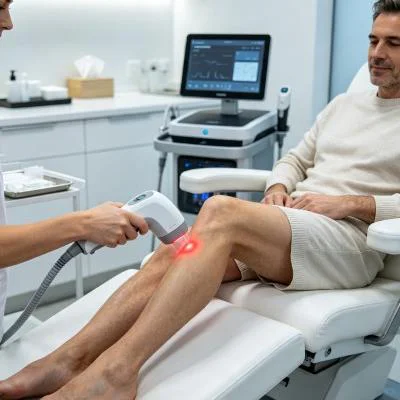
980 nmでより優れた熱制御が必要な理由
980 nmは、これまでとは一味違う施術体験をもたらします。.
810 nmの場合よりも吸光度が強い。.
ヘモグロビンの吸収も重要な要素となります。.
その結果生じる組織との相互作用により、より急速な加温が生じることがあります。.
制御された温熱療法は、特定の治療戦略において有用である可能性がある。.
しかし、局所的な過度な加熱は、より深部の標的へ十分なエネルギーが供給される前に治療を打ち切らざるを得なくなる要因となり得る。.
セラピストが膝の内側を治療している様子を想像してみてください。.
治療ヘッドは狭い範囲に留まります。.
出力はハイレベルです。.
レーザーは連続運転中です。.
表層の組織に熱が蓄積する。.
患者は体温の上昇を感じ、不快感を訴えている。.
セラピストには2つの選択肢がある。.
投与量を減らすか、治療を中止する。.
どちらも、露出不足という当初の問題を必ずしも解決するものではありません。.
より良いアプローチとしては、エネルギーの供給タイミングを変えることが考えられます。.
デューティサイクルは、ピーク電力と平均熱負荷を区別する
パルス運転により、臨床医は、必ずしも同じ平均出力を連続的に印加することなく、高い瞬間出力を利用することが可能になります。.
デューティサイクルとは、繰り返しサイクルの中で、レーザーが実際に発光している時間の割合を指します。.
25%のデューティサイクルとは、放出期間がサイクルの約4分の1を占めることを意味します。.
アクティブ期間中は、ピーク出力を高いレベルに維持することができます。.
しかし、組織に与えられる平均エネルギー率は、同じピーク出力で連続放射を行った場合よりも低くなる。.
それによって、熱が再分配される期間が生じます。.
これによって熱の影響がなくなるわけではありません。.
それによって、彼らのタイミングが変わってしまう。.
高強度の治療においては、その区別が臨床的に有用となる場合がある。.
したがって、治療プロトコルは以下の点を軸に策定することができる:
- 最大出力
- パルス周波数
- デューティサイクル
- 治療期間
- 治療エリア
- 治療時の頭部の動き
- 総エネルギー
これらの変数は、総合的に考慮すべきである。.
単に高出力を連続的に供給するだけの装置は、臨床医がピークエネルギーと平均エネルギーの両方を制御できるプラットフォームに比べ、柔軟性に欠ける可能性がある。.
リハビリテーション科における模擬臨床症例
以下の症例は、高強度治療プロトコルをどのように構築できるかを示すために作成された模擬臨床シナリオです。これは実際の患者記録ではなく、普遍的な治療処方として解釈されるべきではありません。.
事案の特定
| 臨床パラメーター | シミュレーション記録 |
|---|---|
| 部署 | 物理療法・リハビリテーション |
| シミュレーション事例ID | PMR-LT-2026-0714 |
| 患者 | 66歳の男性 |
| 診断 | 慢性関節周囲痛を伴う変形性膝関節症 |
| 病理学的分類 | ケルグレン・ローレンス分類 III 度 |
| 一次処理側 | 右膝 |
| 症状の持続期間 | 3年 |
| ベースラインNPRS | 7/10 |
| WOMACのベースライン値 | 61/96 |
| 基準時の能動屈曲 | 105° |
| ベースライン・タイムド・アップ・アンド・ゴー | 13.8秒 |
| 主な機能上の愁訴 | 階段を下りる際や椅子から立ち上がる際の痛み |
| 一次処理プラットフォーム | レーザーメディックスMAX |
| 初期波長戦略 | 810 nmが主波長 |
| 二次波長戦略 | 915 nm、940 nm、および制御された980 nmの寄与 |
| 650 nmの寄与 | 表層成分が低い |
| 初期ピーク出力 | 12 W |
| 最大ピーク消費電力 | 24 W |
| 初期周波数 | 15 Hz |
| 後の周波数 | 20 Hz |
| 初期デューティサイクル | 25% |
| 後期のデューティサイクル | 30% |
| セッション1 総エネルギー | 900 J |
| セッション2 総エネルギー | 1,100 J |
| 第3セッション 総エネルギー | 1,300 J |
| 第4セッション 総エネルギー | 1,500 J |
| 第5セッション 総エネルギー | 1,600 J |
| 第6セッション 総エネルギー | 1,700 J |
| 第7セッション 総エネルギー | 1,800 J |
| 第8セッション 総エネルギー | 1,900 J |
| 治療頻度 | 週に3回 |
| 補助リハビリテーション | 大腿四頭筋の筋力強化と機能的歩行トレーニング |
| 第1週 NPRS | 6/10 |
| 第2週 NPRS | 5/10 |
| 第3週 NPRS | 3–4/10 |
| 第4週 NPRS | 2–3/10 |
| 第4週 WOMAC | 40/96 |
| 第4週 能動屈曲 | 119° |
| 第4週 タイムド・アップ・アンド・ゴー | 10.6秒 |
| 熱応答 | 持続的な刺激がなく、ほどよい温かさ |
| プロトコルの変更 | 内側関節線での滞留時間の短縮と、パルス式送液の維持 |
なぜ最初の治療が最も強力な治療ではなかったのか
この機械は、第1セッションの設定よりもはるかに高い出力を発揮することができた。.
だからといって、最初のセッションでそれを使うべきだということにはならない。.
この患者は慢性疾患を患っており、関節周囲組織が厚く、治療対象部位が比較的深部に位置していた。.
最初の目的は、許容範囲を確立することでした。.
セラピストは、ピーク出力12 W、デューティサイクル25%の設定から始めました。.
治療ヘッドを関節周囲領域上で連続的に移動させた。.
最初のセッションでは900 Jが供給された。.
患者は、中程度の温感はあるものの、灼熱感や鋭い痛みはないと訴えた。.
その情報は、次のセッションの設計に活用されました。.
これは、~を購入する人にとって有用な区別です。 レーザー治療器.
高い最大出力は、臨床医に余裕をもたらします。.
正しい開始プロトコルを決定するものではありません。.
波長、パルス構造、および照射分布を制御しつつ、最大出力以下で運転できる能力も同様に重要です。.
治療エネルギーの進展過程
2回目の実験では、総エネルギーを1,100 Jに増やした。.
3番目は1,300 Jに達した。.
第4回のセッションでは、臨床医はより深い部位を治療する際、ピーク出力を約18 Wに引き上げました。.
総エネルギーは1,500 Jに達した。.
第5回および第6回のセッションでは、総被ばく量をそれぞれ1,600 Jおよび1,700 Jに増やした。.
これらのセッション中、患者は膝の内側が外側よりも温かくなったと報告した。.
セラピストは、単に治療全体を緩和するという対応はしなかった。.
その代わりに、より暖かい領域では局所滞留時間が短縮された。.
治療ヘッドは、周囲の組織の上を動き続けた。.
これは、熱応答を空間的に考慮すべき理由を示している。.
膝全体が必ずしも同じように熱反応を示すとは限りません。.
組織の厚さ、血管分布、局所的な炎症、および治療用ヘッドの動きは、いずれも温度応答に影響を与える可能性があります。.
980 nmの成分が制御された理由
このシミュレーションプロトコルでは、980 nmを主たる照射波長とするのではなく、副次的な成分として含めた。.
その理由は、熱管理にあった。.
980 nmは810 nmよりも水との相互作用が強く、より大きな局所的な加熱をもたらすことができる。.
それは役立つ場合もありますが、ターゲットが奥深くにある場合は、その使用を控える必要があります。.
そこで、セラピストはその波長を複合的な戦略の一環として用いた。.
810 nmの波長成分が、主に深部治療の手段として用いられた。.
915 nmおよび940 nmの成分により、光学プロファイルが広がった。.
980 nmの波長成分は、制御された熱的および血管との相互作用をもたらした。.
この処理は、すべての波長が等しく寄与すべきであるという前提に基づいたものではなかった。.
多波長装置は、臨床医が各波長の相対的な役割を選択できる場合に最も有用である。.
患者が実際に感じたこと
最初の治療中、患者はその感覚を「温かくて心地よい」と表現した。“
第4セッションの最中、膝の内側が明らかに温かくなりました。.
鋭い痛みや灼熱感、あるいは持続的な皮膚の刺激はなかった。.
それに対し、セラピストはその部位での動作速度を速めました。.
これは些細な調整ですが、重要な点をよく表しています。.
高強度の治療プロトコルは、必ずしも固定されたものではない。.
その機械は、同じ出力を持つ可能性があります。.
総エネルギーはほぼ同じかもしれない。.
しかし、そのエネルギーが治療領域全体にどのように分布するかは、患者の反応に応じて変化する場合があります。.
だからこそ、たとえ機器に高度な自動設定機能が備わっていたとしても、臨床医の技術は依然として重要なのである。.
なぜ出力が最大化されなかったのに、総エネルギーが増加したのか
治療の目的は、劇的な瞬間的な感覚ではなく、累積的な曝露にあった。.
そこで、セラピストは総エネルギー量を徐々に増やしていった。.
このアプローチには、いくつかの利点がありました。.
この患者は耐性を示した可能性がある。.
熱的挙動が観察された。.
機能の変化を追跡することができた。.
セラピストは、出力レベルを引き上げる前に、曝露の増加が有意義な臨床的効果をもたらしているかどうかを判断することができた。.
これは、最大出力から始めて、「エネルギーが多ければ多いほど、より良い結果が得られるに違いない」と仮定するよりも、理にかなっている。.
4週間後の結果
この患者のベースライン時の疼痛スコアは7/10であった。.
最初の週が終わる頃には、約6/10まで低下していた。.
2週目には、患者は痛みを10段階中5と報告した。.
第3週には、スコアが10点満点中約3~4点に達した。.
第8回目のセッションまでには、痛みは概ね2~3/10程度でした。.
WOMACスコアは61/96から40/96へと改善した。.
能動的な膝の屈曲は、105°から119°に増加した。.
「タイムド・アップ・アンド・ゴー」の記録が13.8秒から10.6秒へと短縮された。.
また、患者は、階段を下りるのが楽になったこと、椅子から立ち上がる際に上肢を使う必要が少なくなったことも報告した。.
これらの結果は、シミュレーションによる症例の経過として示されています。.
これらは、特定のパラメータの組み合わせが別の患者においても同様の結果を再現する証拠として解釈されるべきではありません。.
重要な教訓は、この事例の構造にある。.
痛みを測定した。.
その機能を測定した。.
治療パラメータが記録された。.
熱応答が記録された。.
プロトコルは患者に合わせて調整された。.
レーザー治療を、単に痛みがすぐに和らぐかどうかだけで評価すべきではない理由
レーザー治療の評価においてよく見られる間違いは、施術直後に患者の痛みが消えたかどうかを尋ねることです。.
症状の即時の変化は有用な情報となり得ますが、それだけでは不十分です。.
いくつかの種類の治療を受けた後、患者の体調が一時的に良くなることがあります。.
より重要な臨床上の問いは、その治療が時間の経過とともに機能の改善に寄与するかどうかという点である。.
この患者さんは、もっと遠くまで歩けるでしょうか?
階段を上ることができますか?
筋力トレーニングは行ってもよいのでしょうか?
可動域は改善しましたか?
特定の動作を行う際の痛みは軽減しているでしょうか?
これらの結果は、あるものが……であるかどうかを評価する際に、より有用です。 治療用レーザー リハビリテーションの過程において、実用的な役割を果たしている。.
高強度治療がリハビリテーションにどのように組み込まれるか
最も優れた臨床ワークフローでは、レーザー治療と運動を対立させることはありません。.
さまざまな手法を統合しています。.
患者は、能動的な動きを制限するような痛みを訴えて来院することがあります。.
臨床評価はセラピストが行います。.
レーザー治療は、選択された解剖学的部位に対して行われます。.
患者の体温反応をモニタリングする。.
その後、セッションはアクティブリハビリテーションへと移行します。.
患者は、診断に基づいて定められた範囲内で、筋力強化、可動域、あるいは運動制御の訓練を行います。.
その後の通院時に、症状と機能の両方を再評価します。.
これにより、論理的な順序が生まれます。.
レーザーがリハビリテーションに取って代わることを求められているわけではない。.
これは、より広範な治療計画の一環として用いられています。.
その違いは、商業的にも重要な意味を持ちます。.
リハビリテーションクリニックでは、既存の業務フローに自然に組み込める機器を、まったく別の治療理念を必要とする機器よりも重視する傾向があります。.
実際の診療現場において、レーザー治療器が有用とされる理由
高出力という仕様は、購入の決定要因の一つにすぎない。.
実用的な評価を行う際には、いくつかの要素を検討すべきである。.
波長の柔軟性
このシステムは、組織の深さや臨床上の目的に応じて、複数の波長を提供することができますか?
ある診療科が幅広い筋骨格系の疾患を扱う場合、単一波長プラットフォームよりも多波長システムの方が適応性が高い。.
出力制御
セラピストは出力を段階的に調整できますか?
投与量を低く設定し、患者の耐性に応じて徐々に増量できる点は、臨床的に有用である。.
パルスモードと連続モード
このシステムは、異なる時間モードで動作することは可能ですか?
これは、温度制御が重要となる場合に特に重要になります。.
治療エリア
この装置は、大きな関節、筋肉群、あるいは解剖学的領域を効率的に治療することができますか?
多忙なリハビリテーション科では、治療の効率が重要です。.
温度監視
セラピストは患者の体温反応をモニタリングできるのでしょうか?
どんなに高性能な装置であっても、患者からのフィードバックが不要になるわけではありませんが、適切な温度制御を行うことで、治療をより円滑に進めることができます。.
プロトコルの再現性
臨床家は、他のセラピストがどのような処置が行われたかを理解できるほど、設定内容を明確に記録することができるでしょうか?
これは、クリニックで複数のセラピストが同じ機器を使用している場合に特に重要です。.
30 Wプラットフォームが低出力システムとどう違うのか
低出力システムと高出力システムの実用上の違いは、単に一方の数値が大きいというだけのことではありません。.
高出力プラットフォームは、より大きなエネルギー供給能力を備えています。.
これにより、より広範囲の解剖学的領域に対する治療がより現実的なものとなる。.
例えば、大腿四頭筋の広い範囲を治療するセラピストは、かなりの総エネルギーを照射する必要がある場合があります。.
出力が非常に低い場合、処理に時間がかかることがあります。.
出力を高めれば、より現実的なスケジュール内で同じ累積エネルギーを供給することが可能になります。.
しかし、エネルギー供給能力の向上に伴い、新たな要件が生じている。.
セラピストは熱の蓄積を適切に管理しなければならない。.
だからこそ、高出力処理は根本的に制御の問題である。.
その機械には十分な電力が必要です。.
セラピストには十分な自制心が必要です。.
手術において、980 nmと1470 nmの違いが極めて重要となる
リハビリテーションと外科的応用を比較すると、この波長の原理がさらに明白になります。.
1470 nmでは、980 nmに比べて水の吸収が著しく強くなります。.
つまり、1470 nmの光エネルギーは、水分を多く含む組織内でより強く吸収され、吸収される光の経路もより短くなるということです。.
そのため、外科手術における組織との制御された相互作用に有用である。.
FotonMedix社の「SurgMedix-MAX」は、外科用途向けに1470 nmおよび980 nmの波長に635 nmの波長成分を組み合わせたものです。.
本プラットフォームは、切断、切開、切除、凝固、蒸散などの機能に使用することを目的としています。.
これは、外部のリハビリテーションとは根本的に異なります。.
非侵襲的な方法としては 治療用レーザー, 、臨床医は一般的に、組織を損傷することなくエネルギーを照射しようと努めている。.
手術においては、組織の破壊や凝固が意図されたエンドポイントとなり得る。.
したがって、波長依存性の吸収という同じ概念が、臨床応用において非常に異なる結果をもたらすことになる。.
なぜ1470 nmが深部外部照射療法の近道ではないのか
1470 nmは水に対する吸収が強いことから、無傷の皮膚を通して深部の筋骨格構造に到達するための理想的な波長であると単純に想定すべきではない。.
吸収が強いということは、エネルギーの沈着が強いことを意味します。.
これは、ターゲットが治療面に十分に近く、組織との相互作用を制御したい場合に有用です。.
より深部の非侵襲的ターゲットに対しては、透過特性に優れた波長の方が適している場合があります。.
だからこそ、レーザーの波長に関する本格的な臨床的な議論には、照射深度を含める必要があるのです。.
治療を行うべき箇所を特定せずに、ある波長を「最適」と断定することはできません。.
血管との相互作用における980 nmの役割
980 nmの例は、波長の選択が単に透過性のみに帰着させられない理由も示している。.
この波長域付近での吸収には、血液中の発色団が寄与している。.
このため、980 nmは血管や熱との相互作用の観点から重要となる。.
非侵襲的なリハビリテーションの場面において、これは生物学的および熱的治療環境全体に寄与する可能性があります。.
外科手術においては、この吸収特性が凝固を促進する一因となる。.
したがって、期待される効果は臨床的な用途によって異なります。.
これが、多波長プラットフォームが有用であるもう一つの理由です。.
これにより、臨床医は、1つの波長ですべての機能を担うことを期待するのではなく、さまざまな光学特性を選択できるようになります。.
脈拍数が重要な理由
デューティサイクルとは、アクティブな発光時間の割合を指します。.
周波数とは、パルスがどれくらいの頻度で繰り返されるかを表すものです。.
これらの変数は関連しているが、同一ではない。.
2つのプロトコルは、同じデューティサイクルであっても、パルス周波数が異なる場合があります。.
したがって、エネルギーの時間的分布は異なることになる。.
高出力の治療においては、組織は供給されるエネルギーの量だけでなく、そのエネルギーが蓄積される速度にも反応するため、パルス周波数が重要となります。.
より短い繰り返しパルスを用いるプロトコルは、総エネルギーが同等であっても、より長い発光間隔を用いるプロトコルとは異なる挙動を示すことがある。.
したがって、臨床医は「パルスモード」を完全な説明として扱うのではなく、その頻度を記録すべきである。.
優れた臨床記録とはどのようなものか
有用な高強度治療の記録は、シンプルなものでも構いません。.
以下を特定すべきである:
- 診断
- 治療領域
- 目標深度
- 波長
- ピーク出力
- 頻度
- デューティサイクル
- 治療期間
- 総エネルギー
- 治療エリア
- 動きのテクニック
- 患者の体温反応
- 治療前の痛み
- 治療後の痛み
- 機能的転帰
- プロトコルの変更
これにより、治療履歴が作成されます。.
また、これはクリニックにとって、内部的な品質改善の基盤ともなります。.
複数の患者が同様の治療を受けたにもかかわらず、治療結果に大きなばらつきが見られる場合、当該部門は、波長、エネルギー、治療部位、あるいはリハビリテーションへの参加状況の違いが、そのばらつきの原因となっているかどうかを検証することができる。.
体系的な記録がなければ、その分析は困難になります。.
マルチ波長プラットフォームがB2Bバイヤーに役立つ理由
海外の販売代理店やリハビリテーション機器の購入者にとって、製品の汎用性は生産性と同じくらい重要になる場合があります。.
診療所では、以下のような治療を行うことがあります:
- 変形性関節症
- 腱鞘炎
- 筋肉の損傷
- スポーツ傷害
- 慢性疼痛
- 術後のリハビリテーション
- 軟部組織の疾患
解剖学的な標的が異なります。.
組織の深さが異なります。.
望ましい熱応答は、場合によって異なることがあります。.
したがって、多波長プラットフォームは、より幅広い臨床ツールセットを提供することができる。.
FotonMedix社の「LaserMedix-MAX」は、5つの波長と最大出力30 Wの構成を組み合わせ、高エネルギーの非侵襲的治療向けに設計された機能を備えています。.
同社の獣医学および馬医学向けのプラットフォームは、この多波長・高エネルギーというコンセプトを動物のリハビリテーション分野にも応用しています。.
この種の製品群は、特定の狭い適応症ではなく、複数の市場セグメントを網羅する機器を探しているB2Bディストリビューターにとっても、関連性が高いと言えます。.
「機械を所有すること」と「システムを利用すること」の実質的な違い
レーザー加工機はハードウェアです。.
処理システムとは、ハードウェアとプロトコルの組み合わせである。.
その違いは単純に聞こえるかもしれませんが、購買の意思決定に影響を与えます。.
出力は高いものの制御機能が限られている装置は、標準化された臨床ワークフローに組み込むのが難しい場合があります。.
複数の波長、出力調整機能、パルス制御、および温度モニタリング機能を備えたシステムにより、臨床医は治療法をさらに柔軟に調整できるようになります。.
ある部署に複数のセラピストがいる場合、その違いは特に重要になります。.
セラピストによっては、よりゆっくりとしたスキャン手法を好む場合もあります。.
別のものは、より速い動きのパターンを用いる場合もある。.
プロトコルの文書化がなければ、治療にばらつきが生じてしまいます。.
波長、エネルギー、出力、周波数、デューティサイクルが記録されていれば、当該部門は再現性のあるワークフローを構築し、新入社員をより効果的に研修させることができます。.
ディープティッシュ・レーザー療法の真の意味
深部組織レーザー治療 単に、標的組織がレーザーを「感じる」ようになるまで出力を上げるだけのことではありません。.
標的が深ければ深いほど、そこに到達する前に吸収や散乱によって失われるエネルギーは多くなる。.
表層の組織は、入射するエネルギーにさらされたままとなる。.
それによって、物語の核心となる葛藤が生まれる。.
臨床医は、表層部の熱蓄積が施術の主たる要因とならないようにしつつ、減衰を補正する必要がある。.
その解決策は、光制御と時間制御を組み合わせたものです。.
波長によって吸収環境が決まります。.
電力は、利用可能なエネルギーの量を決定します。.
パルス周波数とデューティ比によって、そのエネルギーが時間軸上でどのように分配されるかが決まります。.
動きによって、治療部位に対する照射の集中度が決まります。.
総ジュールは、累積エネルギーを表します。.
患者からのフィードバックは、熱反応に関する実用的な情報を提供します。.
機能的転帰は、全体的な治療戦略が有益な変化をもたらしているかどうかを臨床医に示してくれる。.
一つの変数だけでは、全体像を把握することはできません。.
なぜ、パワーが大きければ大きいほど良いとは限らないのか
高出力のレーザーは、適切に制御されれば非常に有用なものとなります。.
これにより、広範囲の治療をより迅速に行うことができます。.
より深部の解剖学的領域に作用するのに十分な入射エネルギーを供給することができます。.
これにより、セラピストは治療パラメータの選択において、より柔軟に対応できるようになります。.
しかし、最大出力はあくまで性能の一つに過ぎない。.
セラピストが、あまりにも狭い範囲に過度な力を加えると、皮膚が制限要因となってしまいます。.
デューティサイクルが適切でない場合、熱の蓄積が急速に進む可能性があります。.
波長が標的と適切に一致していない場合、エネルギーの多くが、目的の組織に到達する前に吸収されてしまう可能性があります。.
治療がリハビリテーションと連携していなければ、症状の改善が機能の向上につながらない可能性があります。.
したがって、最善の方法は最大出力を追求することではない。.
これは制御された出力です。.
リハビリテーション部門における購買実務上の疑問点
選ぶ前に レーザー治療器, 、部署は次のように自問すべきです:
このシステムは、実際に遭遇する組織の深さに対応できますか?
臨床医は複数の波長から選択することはできますか?
出力は段階的に調整できますか?
このシステムは、パルスモードと連続モードの両方で動作しますか?
パルス周波数とデューティ比は制御できますか?
治療エネルギーは記録できるのでしょうか?
セラピストは熱反応をモニタリングできますか?
治療部位を効率的にカバーすることは可能でしょうか?
複数のセラピストが同じプロトコルを再現することは可能でしょうか?
その機器は、当クリニックの既存のリハビリテーションの業務フローに適合していますか?
「どの機械のワット数が一番大きいか」と尋ねるよりも、こうした質問の方がより有益です。.
高出力システムは、セラピストが単にエネルギーをより多く受け取るだけでなく、そのエネルギーを制御できるようになったときに、臨床的に価値のあるものとなります。.
模擬事例から得られた最後の教訓
シミュレーション上の66歳の変形性膝関節症患者は、初回セッションで最大出力を得ることができなかった。.
プロトコルは、エネルギーを制御した状態から始まった。.
波長戦略は、目標深度を基準に選定された。.
その治療はパルス式でした。.
治療ヘッドは動き続けていた。.
総エネルギー量は徐々に増加した。.
患者の体温反応をモニタリングした。.
ある地域が温暖化したため、プロトコルが変更された。.
4週間の期間を通じて、疼痛と機能について測定が行われた。.
それこそが、この症例を臨床的に現実味のあるものにしているのです。.
レーザーは、患者とは独立して動作しなかった。.
治療法は患者ごとに異なりました。.
リハビリテーション部門にとって、それが最新の高出力装置の真の価値なのです。 治療用レーザー.
この装置は、深部および広範囲の治療を現実的なものにするのに十分なエネルギーを供給すると同時に、そのエネルギーが生物組織にどのように到達するかを管理するために必要な制御機能を臨床医に提供します。.
便利な レーザー治療器 したがって、最大出力だけで判断すべきではない。.
それは、利用可能な光出力を、制御された臨床治療にどれほど効果的に変換できるかによって評価されるべきである。.
そして、 深部組織レーザー治療, 、その違いこそがすべてなのです。.
目的は、表面をさらに高温にすることではありません。.
その目的は、減衰、吸収、エネルギー供給、および熱応答を適切に制御し、対象となる組織が十分な治療用照射量を受けられるようにすることです。.
これこそが、単に高出力の機器の電源を入れることと、綿密に制御された医療用レーザー治療を行うこととの違いなのです。.